What Lies Below the Sward
The most important part of any football pitch is the component rarely seen by the spectators: the root zone. This complex, engineered profile of sand, soil, and organic matter dictates everything from how fast water drains to how well the grass plant can recover from a sliding tackle. Understanding the soil science fundamentals is the first step for any serious grounds care practitioner.
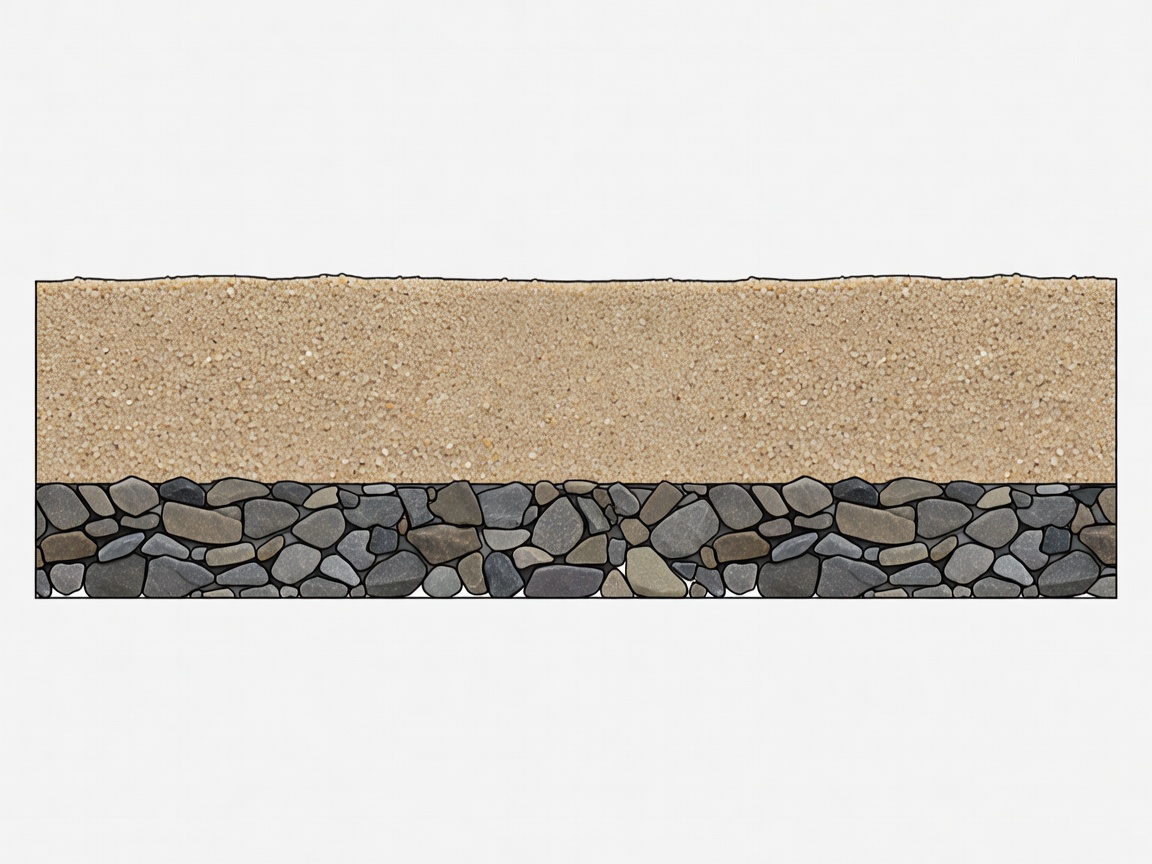
The Engine Room of the Pitch
A natural football pitch is not simply grass grown in dirt. High-performance pitches are meticulously engineered systems. In professional stadia like Wembley or Anfield, the root zone is often constructed following strict guidelines originally pioneered by organizations like the USGA (United States Golf Association) for putting greens, later adapted by the STRI (Sports Turf Research Institute) for heavy-wear sports turf.
The primary goal of the root zone is to balance two competing physical requirements: holding enough moisture and nutrients to keep the grass plant alive, while allowing excess water to drain away rapidly enough to prevent surface flooding during a mid-winter downpour.
Particle Size and Porosity
To achieve this balance, modern root zones are heavily sand-based. Sand particles are relatively large and irregularly shaped, meaning they do not lock tightly together. The spaces between these particles are known as macropores. Macropores are crucial because they hold oxygen—which grass roots need to breathe—and they allow gravity to pull excess water down into the sub-base.
However, a pure sand profile is sterile and cannot hold nutrients. To counteract this, a specific percentage of soil, silt, or organic matter (such as peat or compost) is blended in. These finer particles create micropores, which hold onto water through capillary action, ensuring the plant has a reservoir to draw from during dry spells.
Cation Exchange Capacity (CEC)
Understanding CEC is vital for managing turf nutrition. Soil particles, particularly clays and organic matter, carry a negative electrical charge. Plant nutrients like Potassium (K+), Calcium (Ca++), and Magnesium (Mg++) carry a positive charge. Because opposites attract, the soil particles hold onto these nutrients, preventing them from washing away in the rain.
Sand-dominated root zones naturally have a very low CEC. This means that while they drain beautifully, they are "hungry." Fertilizers applied to a sand pitch can quickly leach through the profile. Grounds staff must therefore apply nutrients in smaller, more frequent doses, or use slow-release coated fertilizers to ensure the plant is fed efficiently without polluting groundwaters.
Reinforced and Hybrid Systems
While sand provides excellent drainage, it lacks structural stability. Think of walking on a dry beach—the sand shifts under your feet. In a football context, a pure sand pitch would simply tear apart under the sheer force of a player turning sharply.
To solve this, turf science introduced hybrid systems. Technologies like Fibresand mix millions of tiny polypropylene fibres into the sand profile, acting like a microscopic reinforcing mesh. More advanced stitched systems, such as Desso GrassMaster or SISGrass, involve specialized machines injecting long artificial fibres deep into the finished root zone at precise intervals. The natural grass roots entwine with these synthetic fibres, anchoring the sward and drastically increasing the pitch's resistance to mechanical wear.
Before any surface intervention—be it aeration, topdressing, or overseeding—the practitioner must know exactly what lies below their sward. Assessing the root zone through core sampling is the only way to diagnose compaction, measure root depth, and determine the exact physical state of the pitch's engine room.